
IMPLEMENTATION OF A STRUCTURE MANAGEMENT SYSTEM FOR "ABERTIS AUTOPISTAS ESPAÑA" (Bridge Management Systems)
- Location: Spain SEE MAP
- Scope of works: Implementation of the Structure Management System, Inventory and Inspection of the structures
- Client: Abertis Autopistas España
- Date: 2008 – 2011
- Number of structures: 3427 bridges and major structures and 497 retaining walls
- Main feature: Implementation of the Structure Management System in ABERTIS
Abertis España manages 59% of the toll motorways in Spain more than 1500 km (AP-2, AP-6, AP-61, AP-51, AP-71, AP-7, AP-4, AP-68, C-31, C-32, C-33) through the concessionaires Acesa, Aumar, Iberpistas, Aucat, Castellana, Aulesa and Avasa.
With the need to homogenise the maintenance of the motorway structures, previously done by each concessionaire on its own, and in order to have some common criteria for maintenance, the implementation of a Structure Management System (SEG) was considered in 2008. Structures having a span greater than 2 m were to be included in the system.
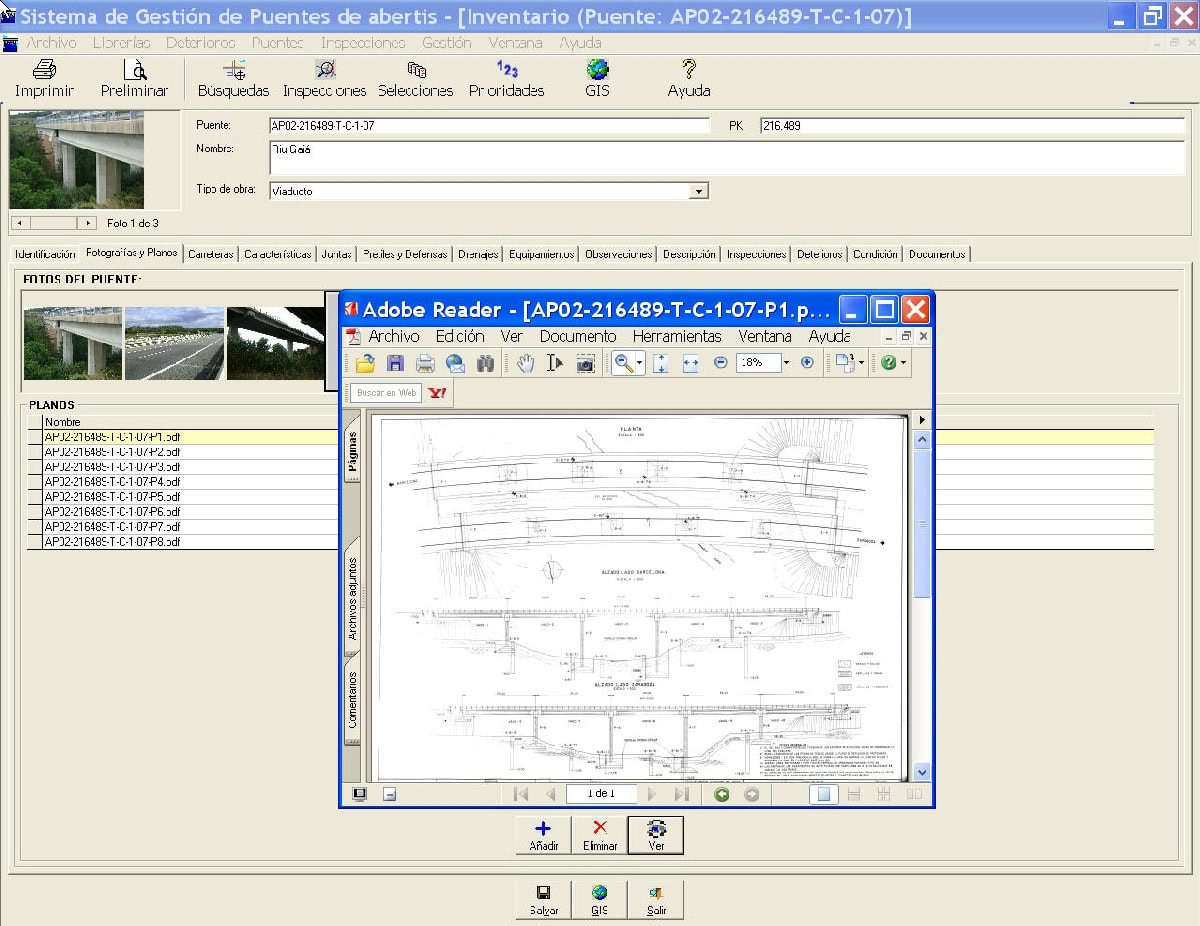
Torroja Ingeniería S.L. was selected to implement and develop its own system, the Albertis SGE. The SGE is software that handles different databases including the inventory data and the inspection results. It provides easy access to detailed data for example, geometrical characteristics, location, drawings, inspection registries and photographs, either for a single structure or for a selection of structures according to their characteristics. Using some very powerful filters an efficient and user-friendly interface is achieved, making it more comfortable and efficient when faced with maintenance and conservation tasks.
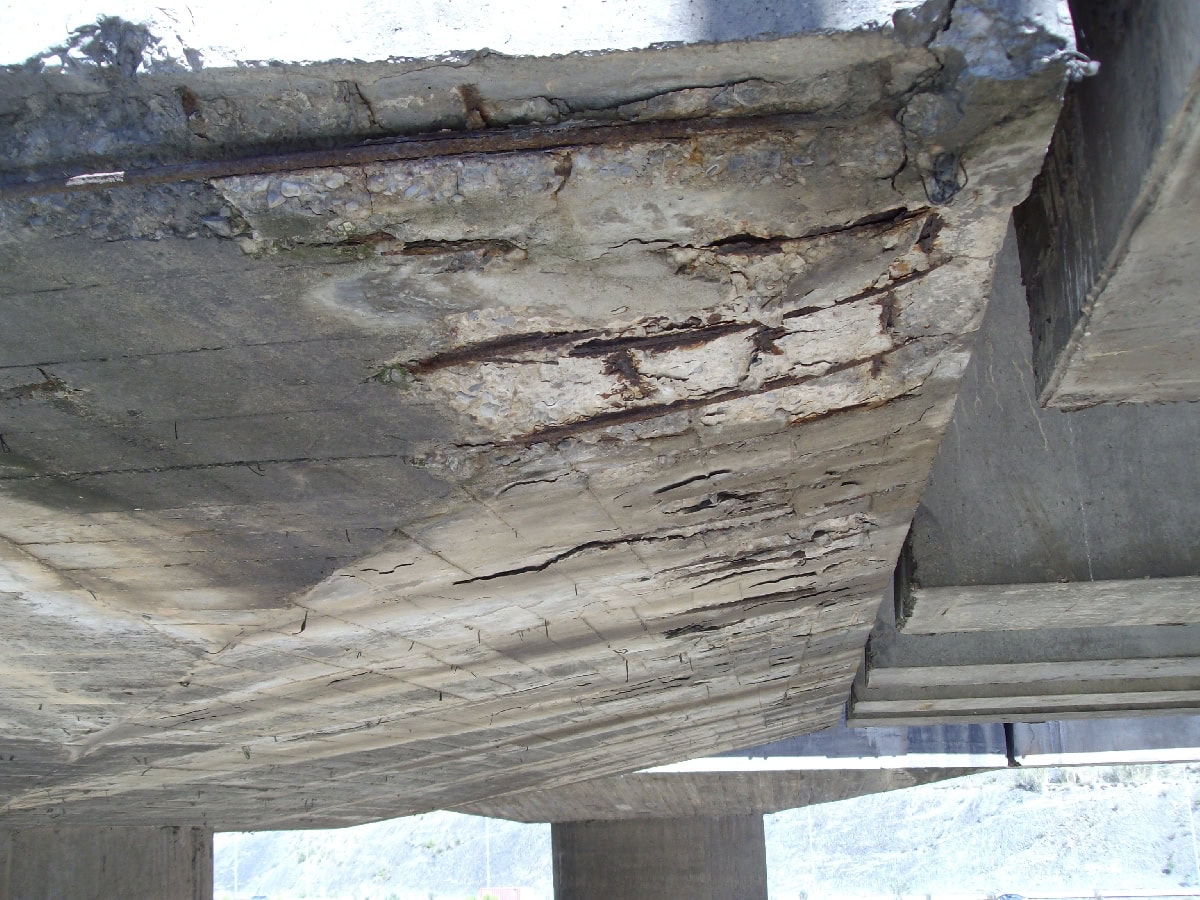
The inspection tool uses registered on-site deterioration and the results of inspections to evaluate the condition of the structures; a cost estimation of the recommended repair work is also automatically provided by the system. Finally, a prioritization of the repair work is also provided according to different criteria.
The implementation of the Albertis SGE was initiated in 2008; the inventory of all the bridges and structures having a span greater than 2 m was undertaken using the original drawings of the structures. At the same time as the inventory was being done, the Principal Inspections were being carried out.
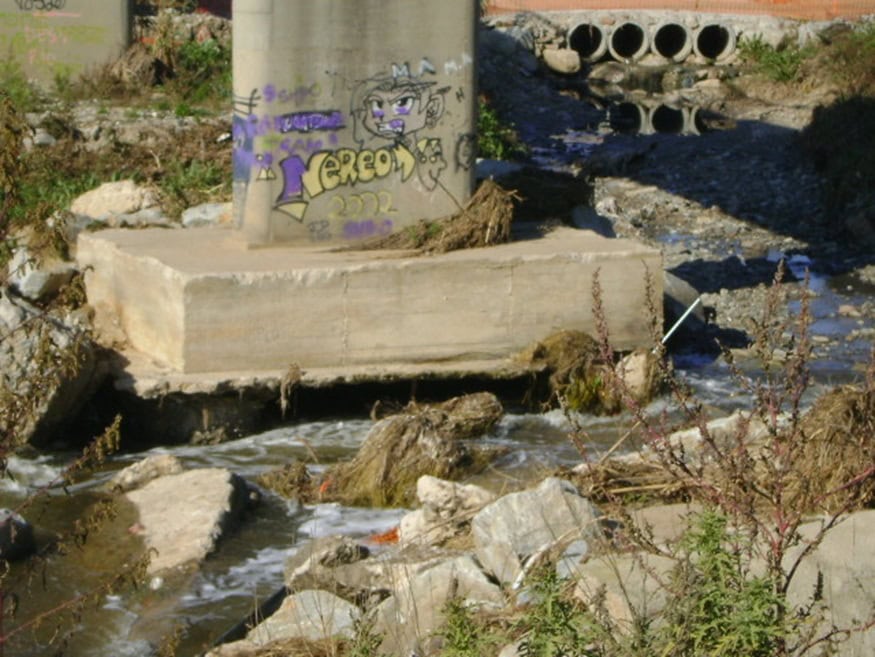
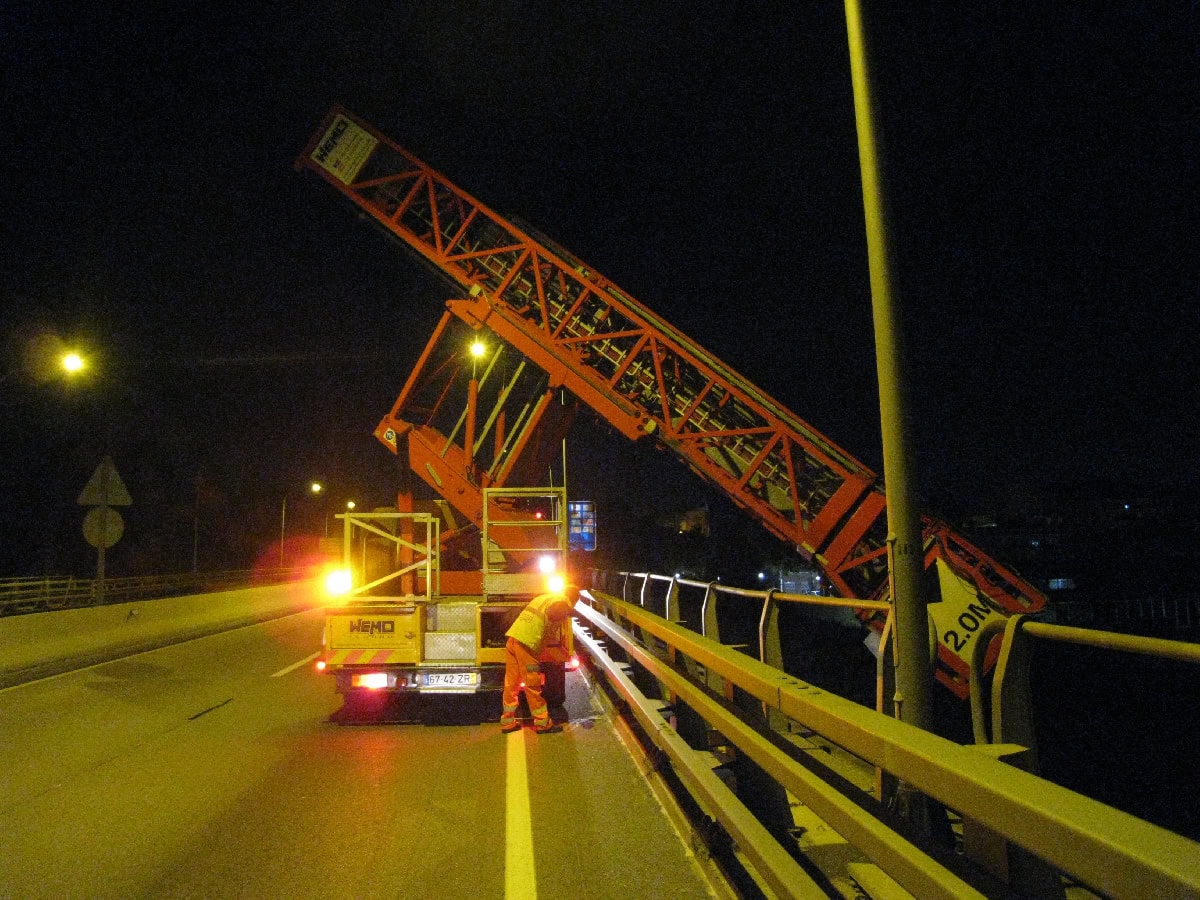
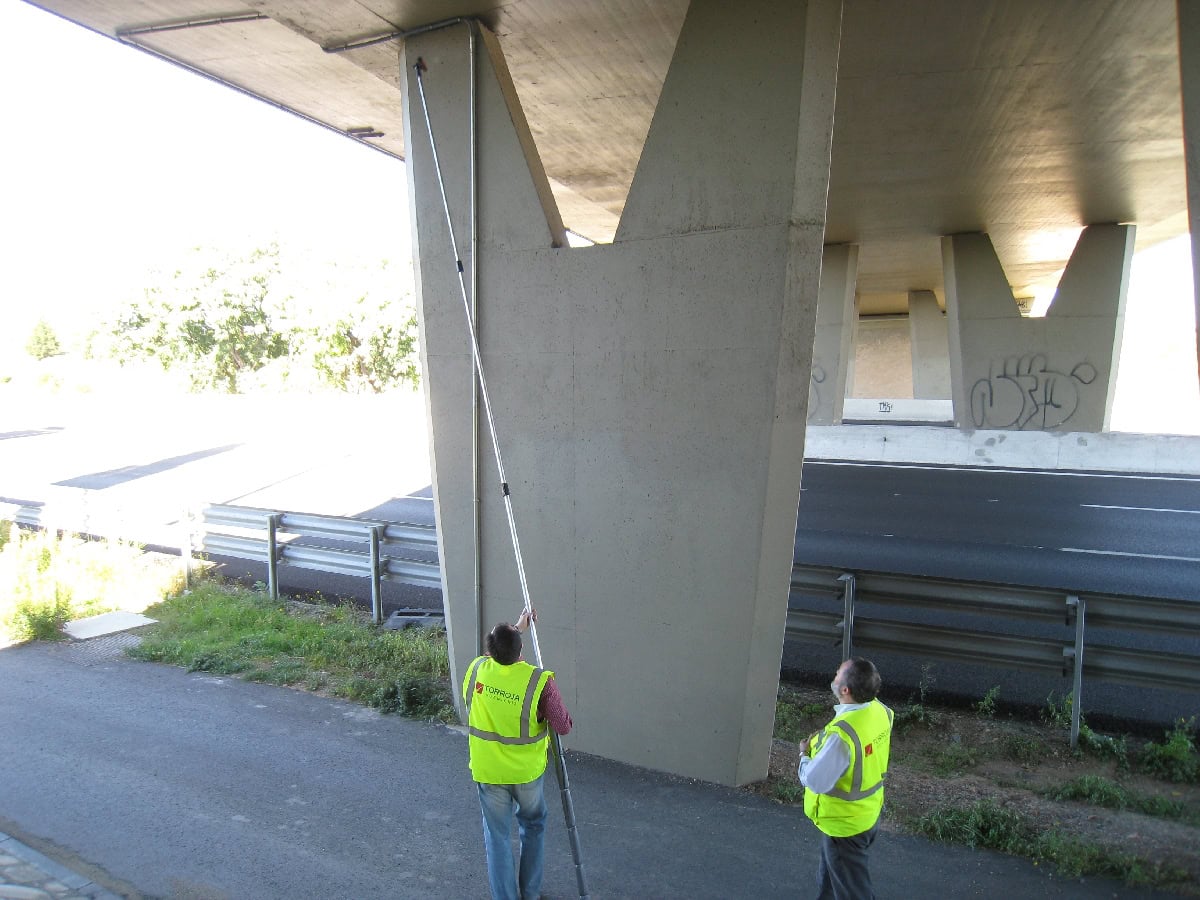
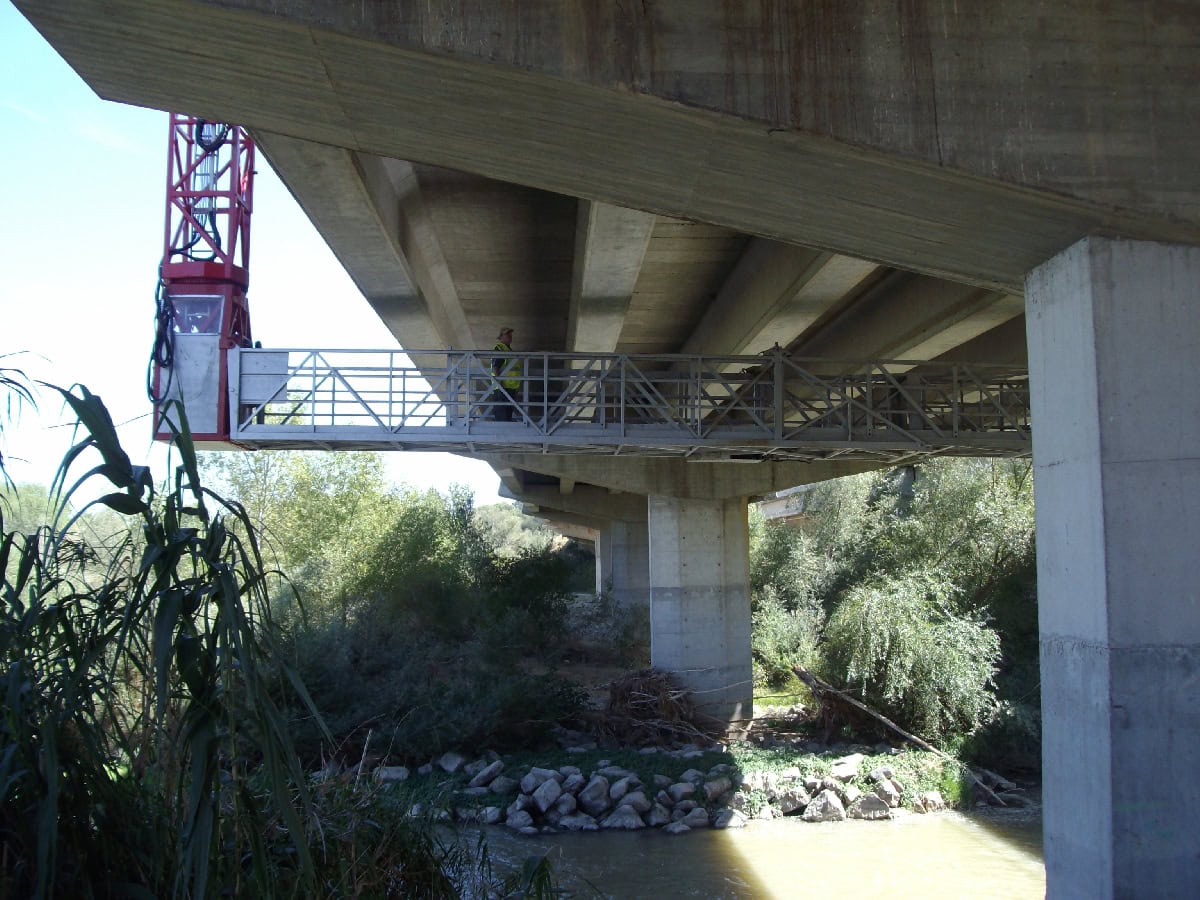
The results of the Principal Inspections showed that some Detailed Special Inspections were needed. Also the need to use special platforms and equipment to carry out a complete inspection of some structures was also detected for example, diving equipment for underwater inspections and special mobile platform cranes were used. Also nightly inspections were made when daily traffic was too heavy and a normal inspection was not possible.
In 2010 retaining walls were included in the inventory and they were inspected using particular criteria, similar to those used for the bridges and structures.
The most noteworthy figures of the implementation of the Albertis SGE are presented below:
3924 structures have been included in the inventory and inspected: 3427 bridges or structures having a span greater than 2 m and 497 retaining walls.
9 inspection teams (plus 2 additional teams) made up of 2 Civil Engineers
Total delay: 3 years
101 Special Inspection using special equipment.
103 Detailed Special Inspections
573 viaducts; 73 of them having a maximum pier height greater than 20 m
442 bridges crossing waterways (rivers, creeks)
Total length of inspected structures = 228500 m
Total area of inspected structures = 2.500.000 m²
Average distance = 2.7 structures per km.
14.700 drawings, 10.900 photographs, 72.000 registers of deterioration included in the 70 GB database