
RESTORATION OF THE SANTA TERESA BRIDGE IN ELCHE (ALICANTE)
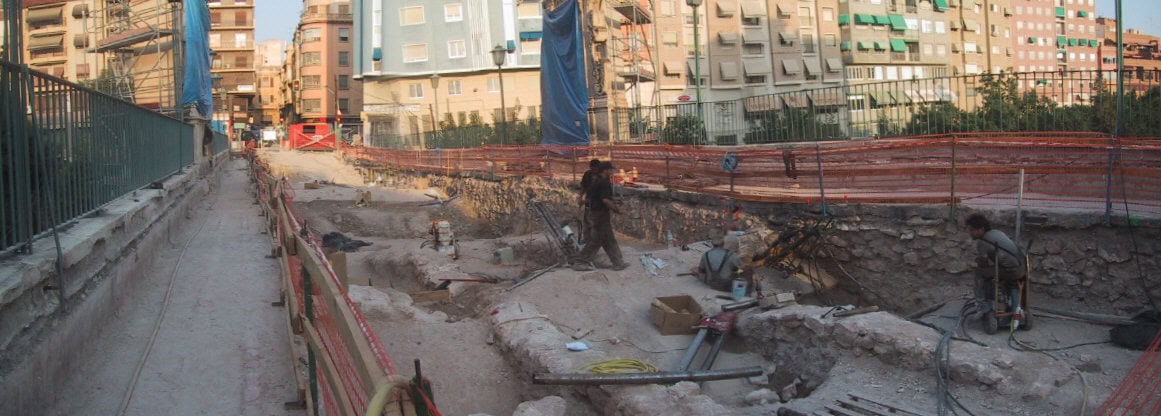
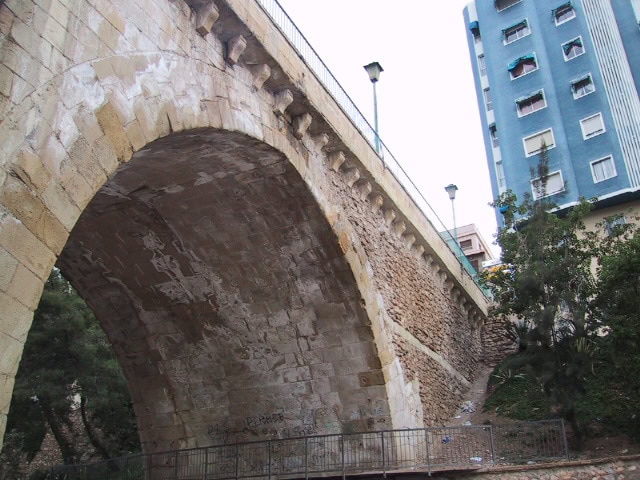
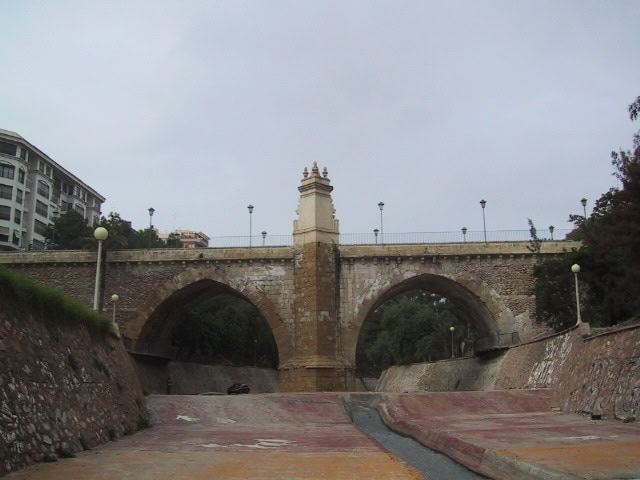
- Location: Elche (Alicante) SEE MAP
- Scope of Works: Inspection, Restoration and On-site Technical Assistance
- Structural type: Double pointed vault of 14,0 m span
- Overall length: 77,0 m
- Spans: 2×14,0 m
- Deck width: 11,05 m
- Deck maximum height: 8,0 m
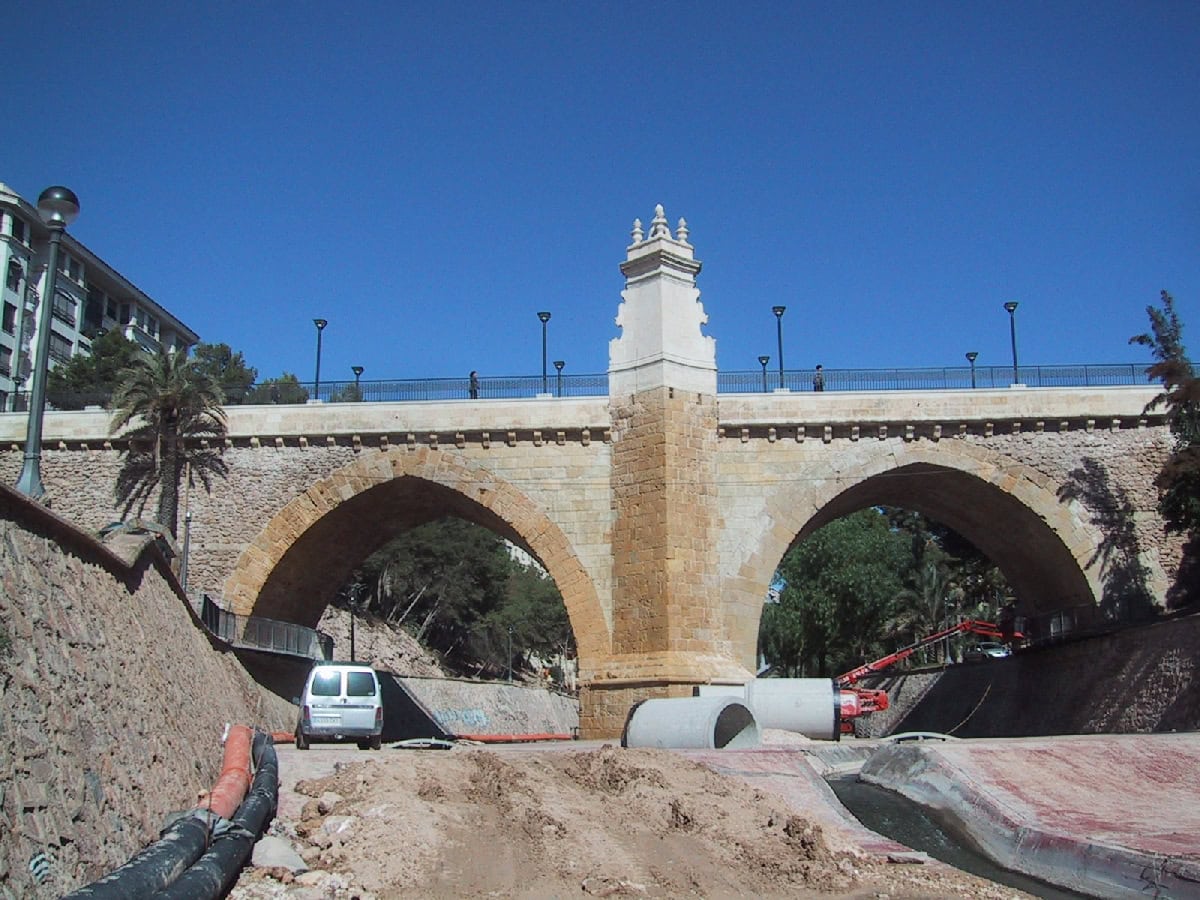
The Santa Teresa Bridge is a masonry structure that was made at the end of the 18th century and goes over the Vinalopó River in the city of Elche. It has a double pointed vault with a span of 14 m, a central pillar 7,2 m wide with cutwaters all of which are made of stonework even the tympana between the keystones but it also has ordinary masonry wing walls. This bridge is one of the key elements in the historical and artistic heritage of the city of Elche.
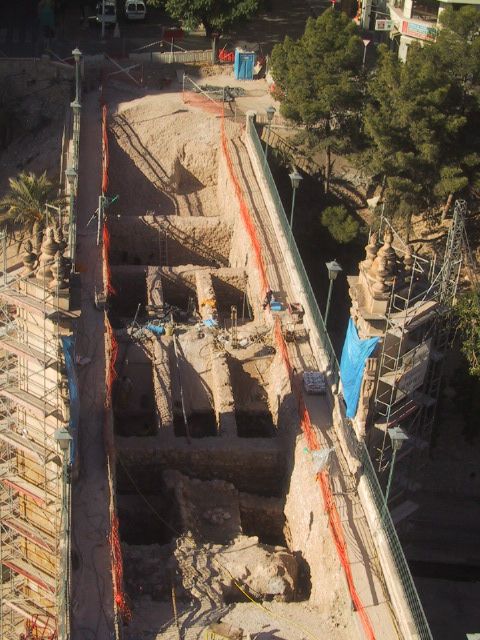
The inventory of damage reflected by the inspection confirmed the deficient condition of the bridge due to, above all, inefficient drainage and the inadequacy of the waterproofing of the platform. These factors favoured the percolation of water and when added to the high level of porosity of the bedrock component of the structure they combined to damage the stone.
The deterioration of the bedrock shown by the loss or elimination of surface material, the alteration of the vault seen by the presence of longitudinal cracks in the stonework which indicate transversal overreaching and accentuated by the percolation of water are all symptomatic of a weak structure. Nevertheless no unexpected transverse articulations were detected which indicates no modification of the static scheme of the structure.
We should not forget that this bridge has been subjected to many changes throughout its long life. It has seen changes from small roads to large avenues and in its conditions of use (freight trains, speed…).
In the load bearing analysis undertaken in this project, despite the geometrical and mechanical uncertainties, one of the vaults was modelled with the result that the tenso-deformational resistance of the masonry was sufficient for the service of the bridge.
The philosophy of the restoration was to maintain the original elements of the structure (after being consolidated, cleaned and restored) whenever their condition permitted and not add elements that could alter the image of the bridge. If it were necessary to add new functional elements, they should be perfectly integrated with the existing structure without trying to mimic it, on the contrary you should be able to see what is new but it should be in harmony with what is old.
Below you can find a summary of the tasks carried out:
Structural Restoration: structural reinforcement and replacement of the pointing of the vaults, consolidation of the masonry, replacement of stonework and joints. Elimination of salts and protection against humidity and contaminants.
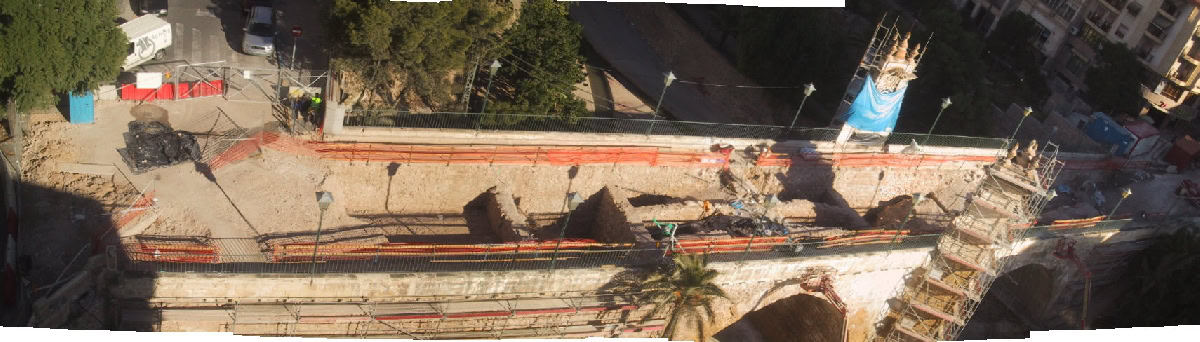
Functional Restoration: substitution of the infill of the bridge, design and installation of systems for drainage, waterproofing and roadworthiness.
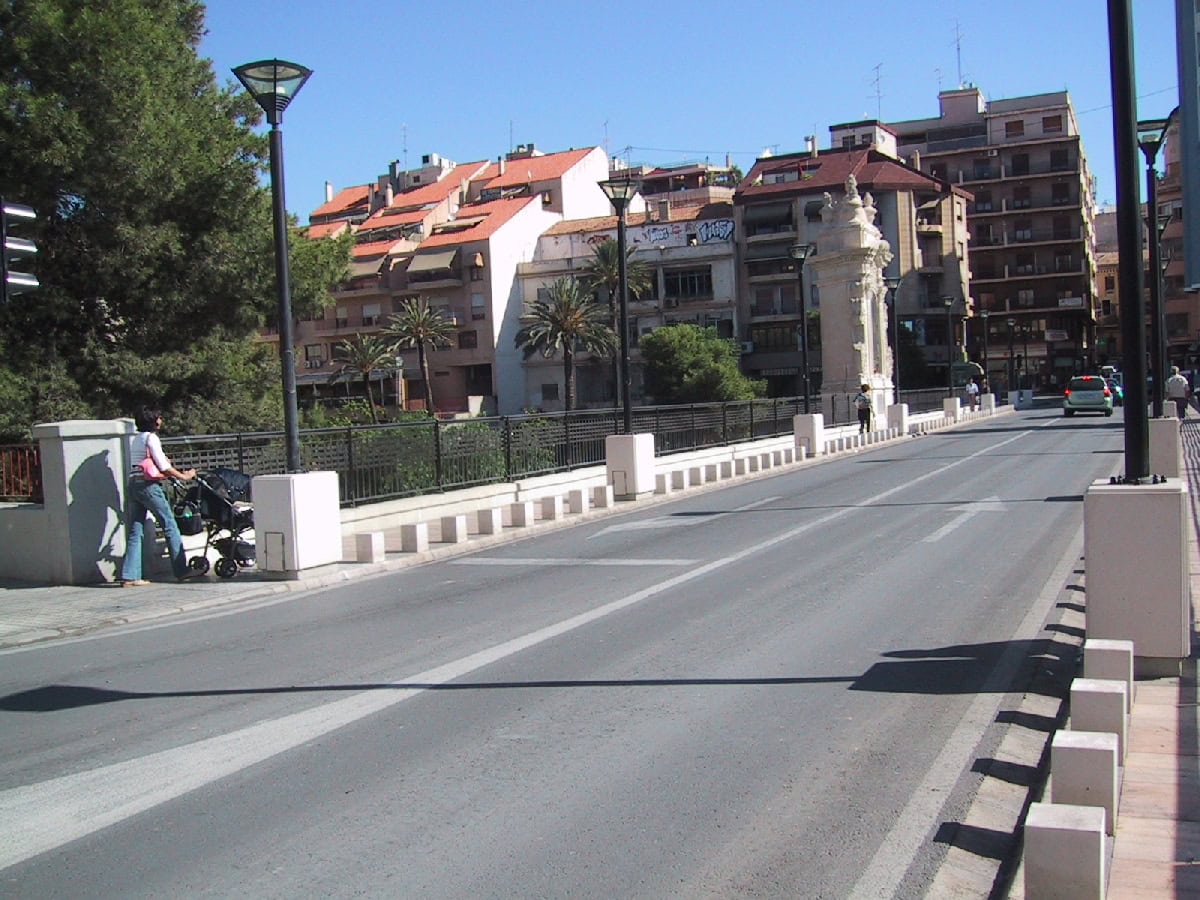
Aesthetic Restoration and aspects of roadworthiness: replacement of parapet walls, railings, paving and lighting of the bridge, installations for pedestrian traffic and the restoration and cleaning of the ornamental elements of the bridge.